
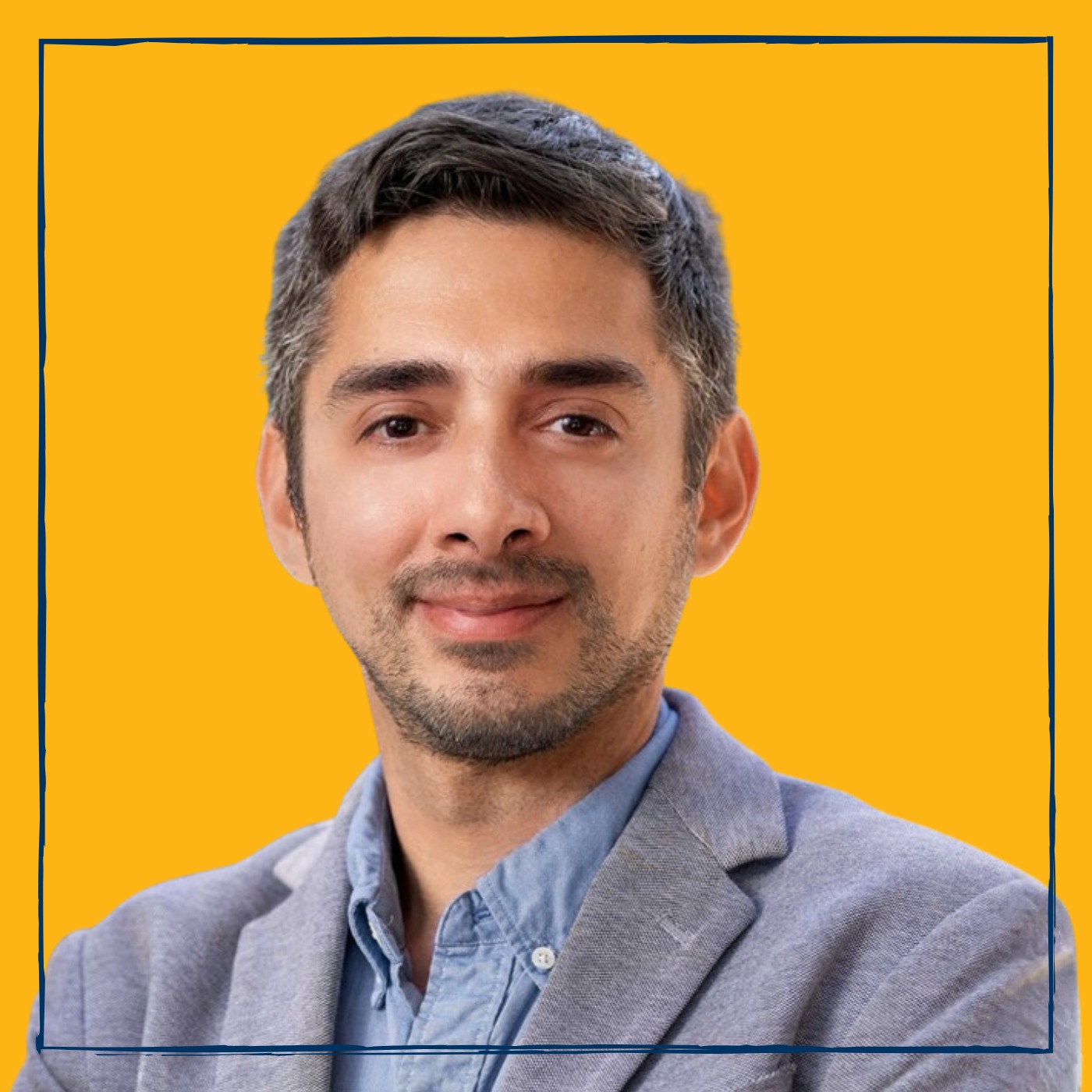
Lucas Chagas Vital, MBA 18 – Finding Inclusion and Community
0:00 / --:--In honor of Pride Month, the OneHaas Alumni Podcast is pleased to welcome Lucas Chagas Vital to the show. Lucas is a graduate of the full-time MBA program and a principal in corporate strategy and development for Intuit.
For Lucas, growing up gay in Sao Paolo, Brazil wasn’t always easy. He knew he was gay from a young age, but between attending conservative catholic schools and starting his career in the conservative banking world of Brazil from over a decade ago, he worried he wouldn’t be accepted if he came out at work. So he set out to find a more welcoming and accepting culture for LGBTQ people, and found one at Berkeley Haas.
On this episode, Lucas joins host Sean Li to talk about his childhood in Sao Paolo, his fulfilling experience with Q@Haas as co-president, and how he’s continued that advocacy work since then through inclusion programs at Intuit and other workplaces.
*OneHaas Alumni Podcast is a production of Haas School of Business and is produced by University FM.*
Episode Quotes:
On his decision to leave Brazil for the U.S.
”So I was not out in the work place. I grew up attending a Catholic school and a Catholic university. And even though I was out earlier than many back then, because I came out in junior high school, I was gay-bashed with my two lesbians friends, so there were a lot of stories of coming out and being back in the closet and getting discriminated against and working through that. And when I learned more about the difference of the reality here, at least 10 years ago, that was one of the things that motivated me a lot, right?”
On the work that still needs to be done for LGBTQ rights
”Our rights should never be taken for granted, right? Because the LGBTQ+ rights and any other minority rights, they can be lost at any time… Definitely as a cisgender gay man, I acknowledge the better privilege that we have when we compare with the transgender population, right? They are in the front. They are the ones who have so much more attacks and hate and we're hearing more and more right now. So how can we be an ally for that?”
On celebrating Pride
“ Thinking about the Pride month ahead of us, I feel that Pride Month, it's not only for fun and parties. I think Pride Month, it's how we got here, right? …I remember when I got here in the US and I was so excited with all the Pride initiatives, and I used to hear a lot of complaints of people saying, "Oh, but there is so much corporate all around."
And I said, "Yeah, but the first Prides, most of the early Prides actually that I went to in Brazil, we didn't have any corporate support, and we did not have that much visibility. We didn't have that much support, and we had to hide a lot" So there are positive things that we can think about how far we got here”
On his time with Q@Haas
“ I spent most of my time at Haas, apart from recruiting, at Q@Haas. So we had a very active group of people…So we organized many events…one event was called Not Your Gay Best Friend, to help break all the stereotypes of just being “the gay best friend”, which for me was very interesting as well because it was also a very American culture thing to learn.
And then of course, the Coming Out Week, which was a big event. The Coming Out Monologues was actually my first time telling my coming out story to a big audience, and in English.”
Show Links:
Transcript
Auto-generated from audio — may contain errors. Always trust the episode itself.
Welcome to the one-horse alumni podcast. I'm your host, Sean Lee, and today we're joined by Lucas Chagas in the tell. Lucas is the graduate of the class of 2018, full-time MBA, and he is currently a principal at Intuit in corporate strategy and development, focus on driving M&A integration, a celebration, and strategy.
First off, welcome to the podcast, Lucas.
Thank you, because I have to be here. Look, we like to start these conversations sharing about your origin story, where you're from, how you grew up. You can even share your family and about your parents if you want to.
So, I grew up in Brazil in São Paulo, which is, Many people might know, but it's a larger city, not only South America, but I think in the whole South Iran is here, and I was born and raised there. So both of my parents, they moved to São Paulo at some point. They were not born there. My mom was born in the beach close to São Paulo, and my dad was born in the very countryside of São Paulo.
So especially my dad, he came from a very under-proof ledge background so he lost his mom when he was 3 and he was raised by his 7 siblings while and that he was the youngest one so they invested on him to have a graduation so he actually became a doctor. So, both of them, they were the first in the family to have bachelor's try so on the grad, if you think from an US education language. Yeah, and then I also had two siblings, so I'm the middle child.
I have an older sister and younger brother, did my undergrad in Brazil as well, studied international relations, after that I work in financial markets in Brazil in investment management and then I was done with finance and banking and I wanted to make a geographic change so I decided that I wanted to focus on an MBA and that's what brought me into house.
You might be asking, you know, for a lot of listeners, they probably may not have been to São Paulo or know what it's like there. I'm really curious to hear how, what was it like growing up in São Paulo? Because when I went there, it felt like such a massive metropolitan city, high rise is everywhere, and it's extremely developed. And so it seemed very, very organized, but chaotic at the same time. I'm really curious to hear what it's like for you growing up there.
Yes, so it's a totally metropolitan urban setup. So I don't know, I think the closes that you could think in the US, who would be Manhattan, but there was a lot of changes. It's a 20-minute people city. I was actually in the middle of the city, so in downtown.
I always lived in buildings, so most of my life I was with my family in the ten four of a building, like it's a buildings everywhere, so it's really hard to know people who were up in, you know, house, and they are in that larger extent that down down area, so I went to school there to schools, I don't know, how far am I from my house, or am I from my house, and then a lot of traffic, chaotic traffic.
And I think the analogy of my how to make sense because like I didn't have a car and to when I had my first job during college and I went to college in some power and I leap with my parents the whole time because we didn't need it, right? So we just used proper transportation. So when I was at school, I would be dropping the morning and then I would walk back or take public transportation to get to my house. And the same for college, like college, I would take full time, and then I have to go to college in the evening, so it's just a whole city life.
Yeah, I was just amazed about, so I went there for a school trip with Hoss. And they took a school visit a bunch of companies from Newark startups like, well, not even a startup anymore, but new bank to Macadalivre, to Umbrella, and then we flew out of the small airport, things San Jose airport out of Umbrella, to Rio. But it just left such an impact on me, foreigner and pardoned by ignorance, as a foreigner going to Brazil, you always hear the favelas, right? And just seeing obviously in Rio, it is like that. It's a strip of city, and then it's favelas, right?
But in in São Paulo, it was nothing like that.
They used to say, yeah, they are more into the surrounding of the
CD, if you compare with Rio, right?
And there are two or three very big favelas in the middle of São Paulo, but the majority of the subordinates were the favelas are.
So yeah, it's a little bit different from Rio, from that perspective.
S. is like, so ballads, the largest seating in Brazil, and then we use the second largest seats, but they are actually really close, right? It's like they are both in the south, west of Brazil, and it's like 15 minutes flying, it's probably the same as the South and LA. And then they bring a lot of people in, right? So my whole group of friends and that were like, was really hard to hear someone saying, I have moved out of some ballroom, right? Because everyone would move into some ballroom, right?
And that's how the city grew up, and like, people moving for schools, or even people who did the older universities, they were moving after school for a career, right? Because they had the best opportunities.
So I guess naturally leads to the question what made you want to make a geographical change and why do you less?
Yeah, so I actually leave the broad before. So I did international relations. So I was always spare curious about all their cultures. And during my time in college, in Sombal, I actually work for an international profit with the name ISX. So it's a global organization. stronger in emerging countries, right? That they have lots of opportunities, but I invested a lot of time and energy on there. I actually found the local chapter in my university. So the president of the local chapter, and that I went to Mexico, and that I went to Ukraine where I lived there for one year.
And that I went back to Brazil for my last semester, so I took a year off. and then I stayed for five years and that my life completely changed because I went from like non-profit, focus on emerging countries to finance and to the equivalent of like Wall Street in Brazil. I enjoyed excitement, the learning curve that I had in the beginning, but that was not what was truly aligned with me. So I think that was pushing me to thinking about like, And I think the biggest factor of all of those decisions have been to being gay and out in Brazil. So I was not out in the working place.
I grew up in Catholic school and then Catholic University. And even though I was out earlier than many back then because I came out in high school, I was gay bash, so there was a lot of... stories of coming out and being back to the closet and getting discriminated and working through that. And when I learn more about the difference of the reality here, at least 10 years ago. That was one of the things that motivated me a lot, right? So I had never heard about like the diversity groups being workplace. You still was something that was like woman at workplace, but nothing else, right? Yeah.
And then somebody come to an MBA, you do as and then an MBA in Berkeley. Your mind is kind of. exploding, right?
Yeah.
And that actually drove me to be actually very, very engaged on that, right? So I feel that the six, seven years that I was not out working in such a conservative environment as banking Brazil, when I came here, I want to be the president of the LGBT organization. I want to be, you know, out and proud and do things that we actually have an impact for that and be outspoken about my experience there, It's fun. Yeah, everybody can be whatever they want, but that's not the reality, right? Result actually has the highest rates of margins of the transpopulation for years, right? Wow.
And of course, given the fact that it's so catalogue plus underdeveloped, that creates an environment that it's not as developed as we could be.
That's so interesting. I think the outside perception, yeah, even from myself, does feel that way when you've got a carnival or when you go to Brazil, people feel so warm and welcoming and to think that against LGBTQ that there is this sentiment just seems almost little at odds with Brazilian culture.
Yes, well, it's still a lot of much is more and sexism that I feel that correlates with that, right? I see. And also, even the racial component, something that for me, it was, I think that was the main learning here right about talking about race and being able to acknowledge, whereas in Brazil, we don't talk about that, and we assume that there is no racism. and then that's a lot of things that I reveal my thinking and how it's was very important for that.
So Dialogues on Braise was a student driven initiative that we had that made me reflect a lot about privilege and ways and how things are not a different in Brazil. I feel that the main difference that we don't talk about that, but my new look at like universities or the best opportunities, I feel that was a way to be colorblind. And I'll talk about that was, oh, think that everyone in Brazil is one third wide, one third native Brazilian and one third African.
Yeah.
And move on. So I think that that was an approach that we all had, right, which is a wrong approach.
Yeah. So this is why when I saw your background, I was so interested in talking to you. Because I love Brazil. I feel like such an amazing country, but same time, you know, similar to the U.S. and a lot of multicultural nations, right? It's very conflicted. It has a lot of these issues that you just don't see from the outside. Versus a very homogenous country like where I was born China. pretty homogeneous and in many ways that's diverse but you know a lot more homogeneous and say that you was still. That's so interesting.
So I see you you basically came straight from some follow-to-birthly. What was that like? A huge change and I think that was that that's what I want to write like when I look back in my undergrad of international relations and even though I didn't have that much things as we're having Berkeley in my college I feel that My interest in no profit and my interest about talking about daggers and a few that all came back kind of like it was dormant for a couple of years and then I loved right I love Berkeley or loved all the student
K-tiles, but a little bit about all the things you did at Os. Notice your co-president of Q at Os. VP of finance of the Hawston Small Thing Club. I know a bunch of other things, but yeah, wanting to hear about some of the things you did at Q at Os. And the impact you've made there.
Yeah, so I actually got a fellow sheep from Robo, which is the LGBT national organization for MBAs. So I was what they call Romba Falo, and that was even before Q at House, right? Because I got that before starring, so I went to the Romba Conference, and that was a conference only for the Falo. So I started experiencing that through Romba, and I actually made a lot of good friends in all their MBAs. who turn out to the two-dayer MBAs, like, presidents of their individualization. So I showed that rumble also help on that. And then naturally, I wanted to be very involved in Q&A's.
In Tull, who was the co-president with me, he was also very involved. He came from Israel, so we both helped me into that channel. view and we took that really serious, right? I figured that I spent most of my time at the house apart from recruiting at Q&A. So we had a very active group of people, I know all the nowadays and see them more active and more and more folks.
So we organized many events, we did like education events, and I don't remember all of them, but on the wrong one event was called, not your game as friend, to like break all the stereotypes of like being the game as friend, which for me was very interesting as well, because it was also a very American culture thing to learn. And then, of course, the coming out week, she was a big event, the coming out monologues, that was actually my first time Telling my coming out story to an audience to a big audience and an English.
So from here, it was very critical Aspect of me reflecting back and being gay bash at school and talking about that story and we're going through trauma and being able to talk about that And I remember those like a story so long coach who helped us which was very insightful and then a lot of big event for me was Q&A's was celebrating 25 years during our terms, so we actually organized an event with the co-founders of Q&A's.
So they came on campus and I interviewed them asking about how was that in the 1990, I think was 1992, right, and the experience was so different, right, because you can imagine in the 90s, and even though it was Berkeley, right, but it was really important for us to acknowledge where we got. And I remember they saying, well, there was no email, there was no, but they had to go through the mailboxes. The students, and I say, if you want to join us, you got house meeting, right?
The physical mailboxes, yeah.
It is actually, yeah. So they would drop papers. And for then to see how far we gained into 2017 was a big thing, right? So it was nice, we organized, like I said, let's put numbers and let's show how people that we have so many members and actually the majority of the members, they are allies, right? They are not a LGBTQ identifying. Yeah, and it was very interesting. I remember like I wasn't here feeling that one of the questions was like, Oh, we'll do remember from the nine is and I was a kid in the late 90s, right? So, and I was a kid already like kind of coming out like in my proteins.
And I remember I said, well, the thing that I remember the most about the nine is was by Spice Girls magazine. and hiding for my mom because you would say this is not for boys. And then I remember both of them that they were like looking at me and that they were bringing from the early nine. And so I and for them like late nine is probably a lot of revealed. So they were like about 1991 and 1992 and I was like about 1998 as a kid.
But that was super fun. I just put up a photo of that of you with Adrian Torfe. So Adrian was actually on our podcast. Oh, nice before back in 2023. It was also for Pride Month and then Burbridge. Yes, that's yeah, correct.
We also had a lot of other alumni and so I reached out to all the presence before us. So to the 25 that we had emails. Well, we tried to promote with Dan. So I feel that we tried to do things with all of an eye, which are important, and I wish the current students continue doing the same, because Kupokura and Kaam, but they were like, oh, I want to be connected, I want to help, I want to, so I feel that's a good bridge.
Yeah, yeah. Well, definitely, I think I should give a shout-out according to the website and Google the four MBA students that founded it in 1990. So we're coming up on 36 years now into the amazing Ben Burbridge, Adrian Torff, Garrett Hornsby, and Mike Brontas. It's really amazing to see that this organization has been around for this long. and supporting our students and community, right? Providing that safe space, which I think is extremely important. So, Lucas, tell us, you know, would you end up doing after after us?
So, after us, I went to consulting. and a few additional things that I did during has. I was also a peer advisor for when we were a second year. I'm helping first years to find recruitment and I was also a GSI for Necroconomics, which was actually for the evening weekend MBA, so that was a good way to get to know more even on the weekend MBAs. And then after I went to consulting, so I worked for PWC for four years. I felt that I needed to learn more about the tech industry, or what was actually would be my transition and consulting, so appealing, right?
And I did specifically M&A, so that brought me to Intuit. So I wasn't able to see for almost four years, and then I realized that FinTech was the sub-sector of tech that I was more interested. And then I joined in 2020 and I being there since then. So let me show them for into this doing power, small business and prosperity as a whole, right for individuals and consumers and a small business. I work with corrupt development, more focused on emanating integration, but also we're all part of corporate development strategies.
So we also do a lot of strategy and how to support the overall resolution.
Any interesting acquisitions?
Well, the big ones were before my time, so I think managing pancreatic armors are the most famous. And then we had been doing smaller and mid-sized ones. Goku was, what position did we did last year? And we just launched the human capital management frame to it based around the Goku team and technology. And that has been very nice. And I like to work with a common vision of like, hey, how we are going to be working together, right? So, because of Google into it, move from just a payroll and time tracking solution to a human capital management, right?
So, morning performance, and that's what I feel inspired about integration specifically, right? Because Simine can be a lot, it can be like at a vast share or working with financial buyers, they're using it more focused on quitting costs? Yeah, I like this strategic aspect of the acquisition of them and eight, right? How this is going to join us and build something together?
Yeah, I'm a huge fan of into what obviously I use, could put some on mine for mob spins in quickbooks for decades now, for all of this is that I've started and continue to this day, but going back to kind of private on topic, what has been like yet into it? You know what I'm talking about? Like how has it been like in terms of the difference between Brazilian work culture and US work culture?
Yes, so that was always a criteria for me to be able to be out, to be actively involved on attributeic queue engagement networks, It's almost very active in the WC, the WC actually we used to do a one-up to many things, but one of the biggest events that we had was participating in the Ace Life Psycho Ride, right? So it's a ride that they had since the 90s to fundraise money for our two Nobel Prophets, one as if it was going to one in LA that our focus on. HIV, AIDS, and LGBTQ as all. So we bagged from a software lane seven days.
And I did that three times, the three times I actually joined with the Pidambucetting, which was a corporate thing. Then I was never a biker before, right? So it was much more because of the cause I prefer running than biking. And then unfortunate that the last year was the last year of that ride, now they split between one in or a cow and one on the one in so cow. And it's a shorter three days ride. But in into it, I'm also actively evolving the LGBTQ pride network. I actually did a lot of initiative zone education, and a relationship that has been consistent through the two organizations.
In many ways, for how far we've come as a society, speaking for all in the U.S. in terms of LGBTQ rights and things like that, and some regression in the past few years, where can we do better? Like how else can we improve?
I feel that one thing that I learned is that it's not hiking out and that's it. It's a journey. It's that every day I need to come out. So I'm married. We have kids. And in my day-to-day, I start conversation at many times people assume that I'm a reformer. you know, or many different situations that I need to come out and I'm much more comfortable doing that than I was in my teenager years, right? Or when I was afraid of something, but the same way that I see that this is a... consistently thing that we need to do. I also feel that our rights should never be taken for granted, right?
Because in the LGBT rights, any other minority rights, they can be lost at any time. Right, that's what we need to acknowledge, right, that I'm able, I'm actually married and I have my, I got my green card to marriage, and that's because key rights were allowed, right, if I was here ten years before that wouldn't happen, right, or I'm able to be out in a workplace, right, and many different things. So that's what I think that we should be consistently thinking that this is not taken from granted. We can lose that at any time. and think about that.
Other than that, I do feel that if you think about many different letters in the LGBTQ uh, a Chrome, right? Definitely as a citizen, their gay man, I acknowledge the better privilege that we have when we compare with the transgender population, right? They are in the front, they are the ones who have. So much more attacks and hate and you're hearing more and more right now. So how can we be a lie for that right? How can we think not only from an LGBTQ perspective, but also like I'm Latina right?
How also the Latina population is being impacted and how can I live with those two identities right?
Basically, just keeping up the maintaining the vigilance and defending the rights of minority groups and the ones that are being actively attacked. That's extremely important. My final question is, was there anything else that you want to talk about? Look at that. I didn't get to ask you.
Thinking about the Pride Month ahead of us, I feel that Pride Month is not only for money, right? I think the Pride Month is how we got here, right? And why it exists? I remember when I got here and I was so excited with all the Pride Nationatives and I used to hear a lot of complaints of people saying, oh, whether it's so much corporate all around. And I said, yeah, but the first prize, most of the prize, actually, that I went in Brazil, we didn't have any carpet, and we didn't have that much visibility. We didn't have that much support, right?
So there are all the things that we can think about, right?
In terms of corporate support, you mean, you say corporate? OK. Yes.
Like corporate sponsors, revenge, and things like that. Yes. Yes. I feel that it's a generalization that we shouldn't do, right? It's like corporate's bad or non-corporate's good. The first pride in the zoo was in late 90s. And the first pride that I went was in 2002, which was the year that I came out. It was like 15 years old. I was like, super scared. And then I learned much years later that was the fifth pride of some follow.
right in history and it was so small we didn't have a few compared to the numbers nowadays that are much bigger right so there is any importance of having that visibility of course there's a balance right and I do acknowledge that there are corporate sponsors that they are just there to like not actually do anything, just put their branch and try to monetize from that.
So I think it's important to actually think about where you're spending your money, right?
I'm someone who actually do stop going to a grocery store because I know that this grocery store is changing their policies based on the current administration, you know, or that somehow they're impacting it. So I'm not going to eat a specific fast because I know that they are not supportive. Not only they're not supportive, but they're actively against who I am as a person, right? So I feel that's important, but the generalization that, oh, it's too much corporate, it's terrible. I don't think that's what people should think. Yeah, and focus on history, right?
So learning about these stories, and I never heard about stuff all before I moved to the US. So I feel that's such important thing, right, to hear about those stories, and to hear about those people. It's a privilege that I didn't have to ring up.
I really appreciate you sharing that, you know, vote with our our dollars, right? That's one of the most powerful votes that we have. It's our hard-earned money, we get to choose where we use it. Sometimes when people say, you know, why, why would you do that? Or just like ironed it if I can choose, you know, where I want to spend my money. I want to I can choose what like, and for multitude of reasons, right? Whether or not they have good service or not, right? People make choices by so why can't I choose not to support a place if their ethos with a philosophy is different in line.
We're opposing, like you said, right? It's our right, if you do that.
So yeah, and voting is a right, right? I be here for almost 10 years and I go up my citizenship for the first time last year. So mom, I'm actually building, right? Congratulations. People take that for granted, right? Like my eight nine years here, I used to hear so much things about elections. And I felt so bad that I could have bold, right? If you want to change, right? Use that privilege and write mostly privilege, thinking from someone who didn't come with that, right? And I know the international students and international population.
struggle with that, that's very important, right?
So, yeah.
Unfortunately, this episode will ending air after the primaries, but still make sure you vote. It's basically for, I think, is the local elections are so important in many ways that feel like they're even more important than the federal ones. So, you're part, please.
Especially being in California. But yeah,
All right, well, thank you Lucas so much for your time and coming on the podcast share stories. Thank you. Thank you for doing this.
Excited to be sent to more episodes. All right. Go Bears. Go Bears. Thank you.
Thanks again for tuning in to this episode of the OneHod's podcast. If you enjoyed our show today, please hit that subscribe or follow button on your favorite podcast player. We'd also really appreciate you giving us a five-star rating review. If you're looking for more content, please check out our website at hoss.fn. That's about H-A-A-S-D-F-N and there you can subscribe to our monthly newsletter and check out some of our other Berkeley-Hod's podcasts. One-haw's podcast is a production of the high school business and produced by University FM. Until next time, go Bears!
Curious how this connects to other episodes? Ask the Archive — our AI guide answers across every conversation, with links back to the source.
More to listen to
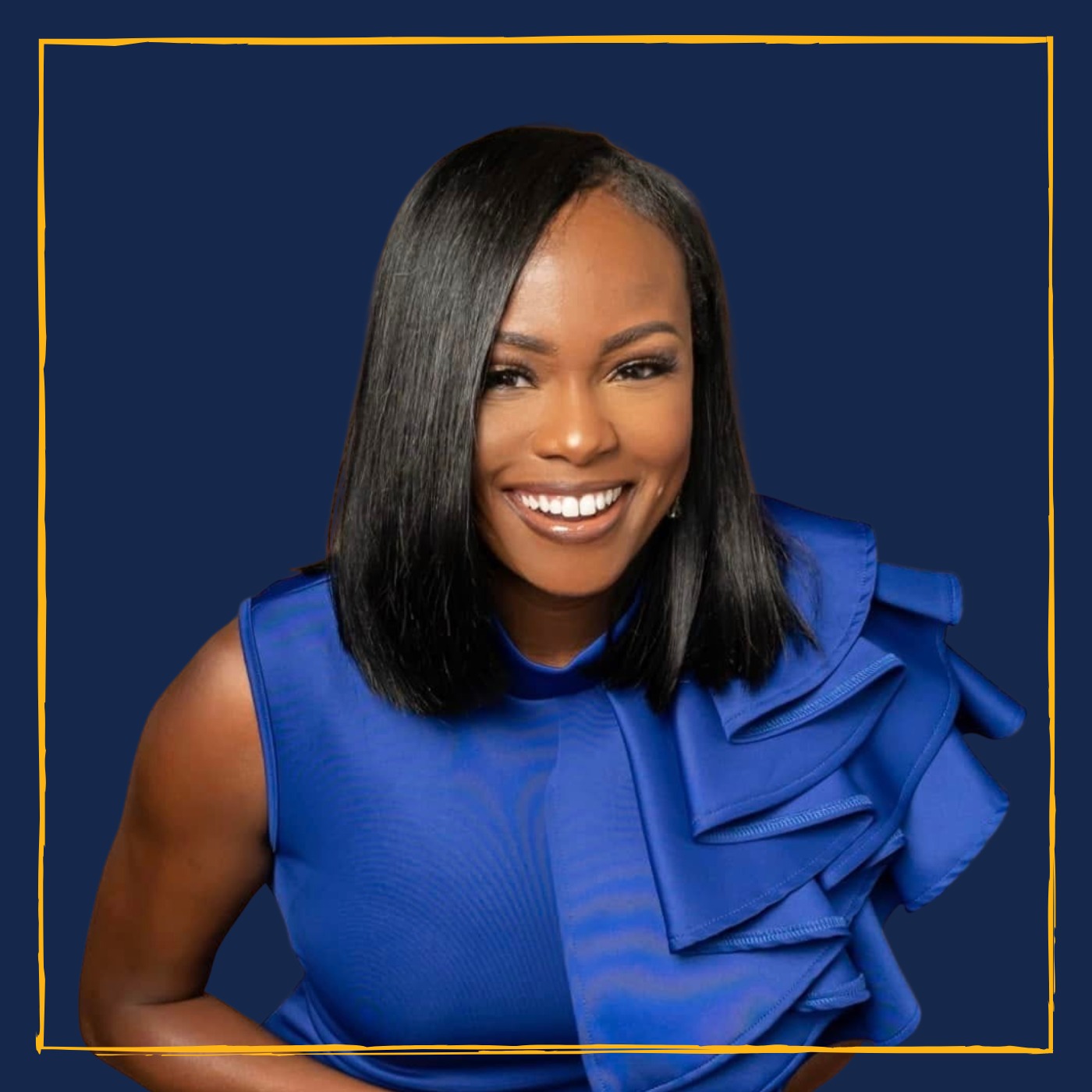
Brittany Jacob, MBA 25 – From Telling Stories to Shaping Them
On this episode of the OneHaas Alumni Podcast, meet Brittany Jacob, a former news anchor turned senior consultant at Deloitte thanks to her career-transforming experience at Berkeley Haas. Growing up in Texas, Brittany fell in love with…
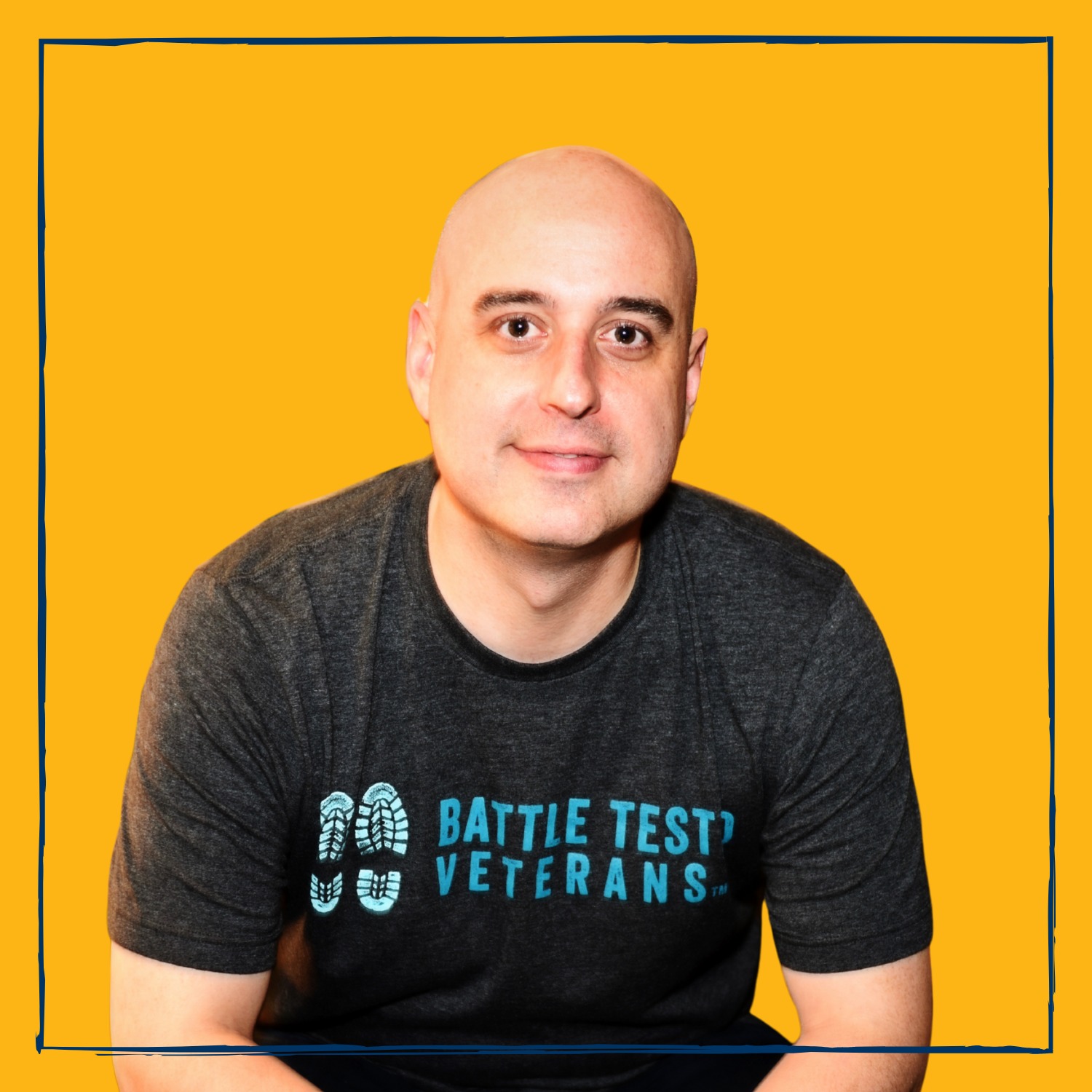
Cory Boatwright, MBA 21 – Finding Jobs That Matter For Our Vets
In honor of Veterans Month, the OneHaas Alumni Podcast is pleased to welcome Cory Boatwright to the show. Cory is a Senior Advisor of Workforce Development, Strategies, and Programs for Hiring Our Heroes. Growing up in a working class ho…

Richard Velazquez, MBA 03 — Relentless Personal Growth
For Hispanic Heritage Month, the OneHaas Alumni Podcast is honored to share the story of Richard Velazquez, a mission-driven executive who is using his decades of experience in a variety of industries to help other Latinx MBA students an…